|

|
|
|
|
|
|
|
|
|
|
|
|
|
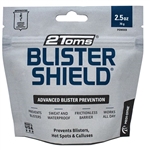
2Toms BlisterShield Blister Prevention powder formula creates an almost frictionless surface on foot, reducing heat build-up and blister formation. Runners' World UK named 2Toms BlisterShield as Gear of the Year! Stops blisters before they start.
|
Stops blisters before they start. 2Toms BlisterShield's remarkable silky powder repels moisture, keeping skin dry and blister-free for lengthy periods of activity.
|
2Toms BlisterShield Blister Prevention powder formula creates an almost frictionless surface on foot, reducing heat build-up and blister formation.
|
|
|
|
|
|
|
|
|
|
|
|
|
|
|
|
|
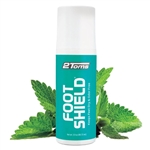
Fight sweaty and smelly feet with 2Toms FootShield!
|
Versatile – Can be used anywhere on the body. Ideal for diabetic foot care and treatment of dry skin conditions. Skin Friendly – Hypoallergenic and not made with natural rubber latex.
|
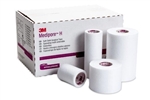
A hypoallergenic, latex free, soft flexible tape made of non-woven polyester cloth. Conformable yet gentle to high risk skin, where repeat taping is necessary.
|
|
|

|
|

|
|
|
|
|
|
|
|
|
|
|
|
12000 non-plated high strength magnets for pain therapy. Increases blood flow through the capillary with a magnetic field.
|
Actimove® Heel Wedge For Closed Shell Walker
|
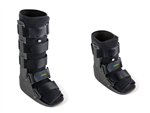
Walker with easily adjustable air bladders to help control swelling, with circumferential strapping for increased stability
|
|
|
|
|
|
|
|
|
|
|
|
|
|
|
|
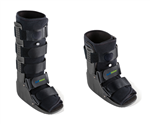
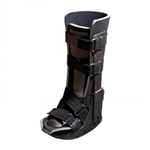
Walker with circumferential strapping for increased stability.
|
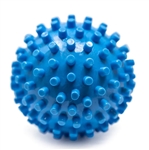
The ProStretch Addaday Footy massage ball features tiny knobs that connect deeply with the plantar fascia to provide relief for both, muscle tightness, and soreness. Plantar Fasciitis Relief.
|
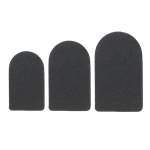
Use the Adjustable Heel Lift to ease low back and hip pain caused by leg length discrepancies by adding lift under the heel of the shorter leg. This lift is durable and comfortable, and provides shock absorption to help relieve pain and discomfort from heel spurs, general heel bruising, tendonitis, and other clinical conditions.
|
|
|
|
|
|
|

|
|
|
|
|
|
|
|
|
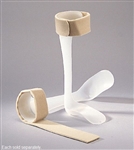
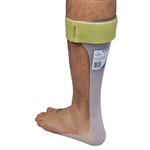
Pre-dorsiflexed Position, Low Profile AFO (Ankle Foot Orthosis) for Patient Comfort! This lightweight AFO is designed to assist ambulation for those patients suffering mild to moderate neurological deficit resulting in drop-foot. Size options in left or right.
|
Aids in correcting drop foot and toe drag. Provides stability to the ankle; with hook and loop closure. Please indicate left or right leg.
|
This rigid design sock aid can be used with many compression stockings or support hose. Pull sock or stocking over the rigid cylinder.
|
|
|
|
|
|
|
|
|
|
|
|
|
|
|
|
|
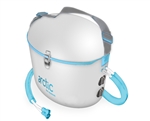
Arctic Ice cold water therapy system helps manage pain, swelling and aids in rehabilitation. System only.
|
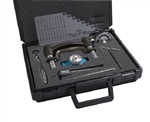
Baseline ® 7 piece hand evaluation Set with portable black carrying case contains all instruments needed to evaluate the strength and range-of-motion (ROM) of the hand and fingers.CE Certified.
|
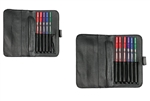
Baseline® Fold-Up Monofilament evaluator sets are used to measure cutaneous sensory perception. Non-invasive evaluation with repeatable results. Monofilament features an easy to fold nylon filament for protection and storage and comes in a soft-shell protective carrying case.
|
|
|
|
|
|
|

|
|
|
|
|
|
|
|
|
|
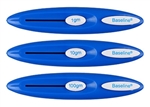
Ideal for screening for peripheral nerve impairment. Can also be used in diabetic foot screening.
|
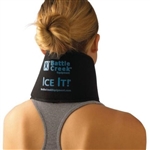
Molds around painful areas for maximum cold therapy. Available in 3 sizes.
|
Stays flexible while fully frozen. Durable and reusable. Size options.
|
|
|

|
|
|
|
|
|
|
|
|
|
|
|
|
|
Get Your Shoe On Shoehorn by BlueJay allows you to put on shoes with ease. Eliminates uncomfortable bending and stretching. Length and material Options sold separately.
|
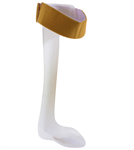
Fabricated in a predorsiflexed position to provide superior dorsiflexion assist. Anatomical design compensates for atrophy and avoids calcaneus irritation. Designed to fit into patient's standard shoes
|
Provides unique support to the arch, heel and maleoli of foot.
|
|
|
|
|
|
|
|
|
|
|
|
|
|
|
|
|
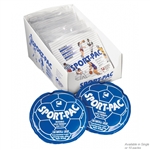
Cold packs with a soccer ball design are best for sideline use at youth sporting events or games. Delivers soothing relief from strains, sprains and bruises and is easy to transfer from the freezer to portable cooler for on the go first aid.
|
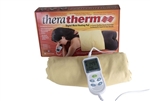
Digital hand control an preset time advantage. Flannel cover draws in added moisture for more effective treatment. 3 sizes.
|
Can be used for joint and muscle pains, arthritis, carpal tunnel, sports injuries and more.
|
|
|
|
|
|
|
|
|
|
|
|
|
|
|
|
|
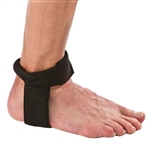
The medically proven Cho-Pat® Achilles Tendon Strap™ applies adjustable pressure and consistent heel support to reduce stress and alleviate the pain and discomfort of Achilles tendonitis.
|
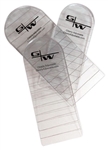
New high-tech compensation for Leg Length Discrepancy - the Clearly Adjustable™ Heel Lift - delivers high-tech client comfort.
|
The Water Therapy Foot and Ankle Wrap is an excellent attachment option for therapy that needs adjustable, easy access to the foot. This Foot Pad is designed for use with hot or cold water therapy units. This listing is for the Ankle Wrap as an accessory item, and does not include a cryotherapy machine.
|
|
|